Natural vs Lab-Grown Diamonds: What's the Difference?
Both are diamonds. The difference sits in where they came from, and it is narrower than most people expect.
Quick Answer
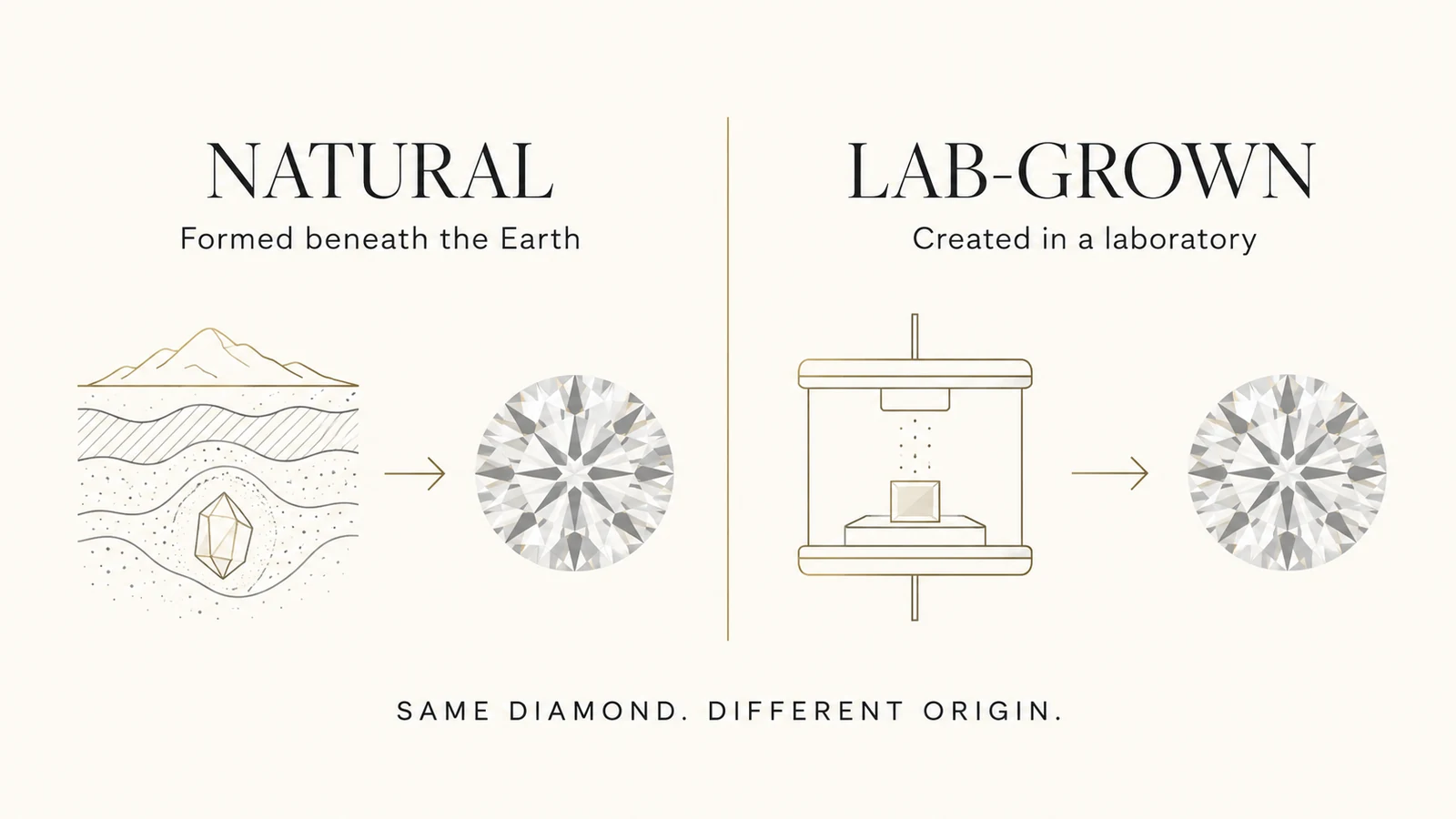
Natural and lab-grown diamonds are both diamonds, but they have different origins. A natural diamond forms through geological processes in the Earth. A lab-grown diamond is grown in a controlled laboratory environment using CVD or HPHT technology. They have essentially the same fundamental chemical, physical and optical properties, but their growth histories, origins and market characteristics can differ.
Key Takeaways
- Both natural and lab-grown diamonds are diamond material.
- Their main difference is origin.
- Natural diamonds form through geological processes.
- Lab-grown diamonds are produced using CVD or HPHT.
- Both can be graded by gemological laboratories.
- The best choice depends on what matters to the individual buyer.
Natural and Lab-Grown Are Two Different Origins
The easiest way to compare them is to start with how they form.
Natural diamonds develop through geological processes inside the Earth.
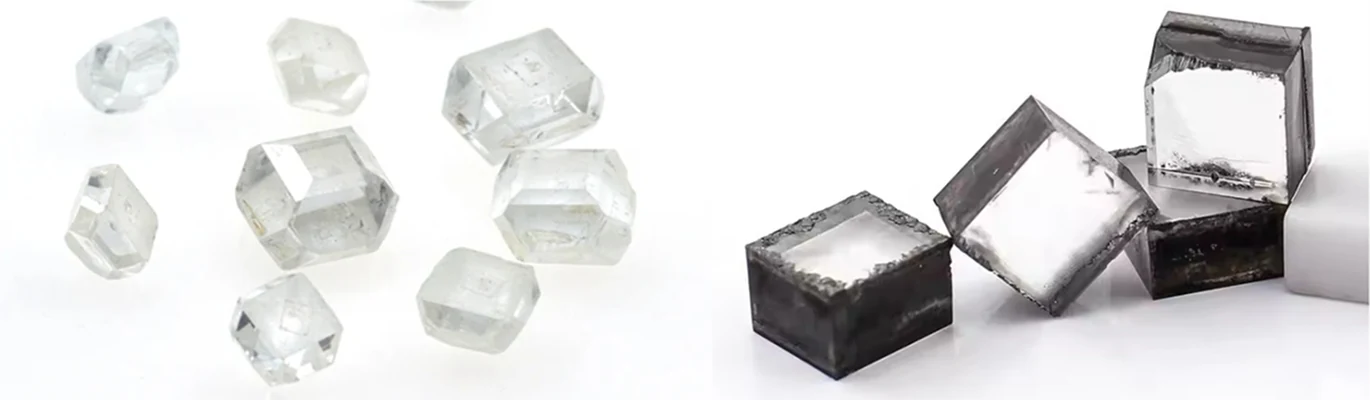
Lab-grown diamonds are produced in controlled environments using technology that allows diamond crystals to grow.
The finished stones can share the same fundamental diamond properties, but the story behind each stone is different.
Natural vs Lab-Grown Diamonds
| Natural Diamond | Lab-Grown Diamond | |
|---|---|---|
| Material | Diamond | Diamond |
| Origin | Natural geological formation | Controlled laboratory growth |
| Main growth process | Geological | CVD or HPHT |
| Can be graded? | Yes | Yes |
| Diamond properties | Characteristic diamond properties | Essentially the same fundamental properties |
| Origin identifiable? | Yes | Yes |
The table gives you the basic distinction, but it does not tell you which individual diamond is better.
How Are They Different Chemically?
Natural and lab-grown diamonds are both crystalline carbon.
That is why lab-grown diamonds are considered diamonds rather than simulants.
There can be differences in trace elements and growth-related characteristics, depending on how a particular diamond formed. These differences can be useful to gemological laboratories when determining origin, even though the finished stones can look very similar to the unaided eye.
Can You Tell Them Apart?
Not reliably just by looking at them.
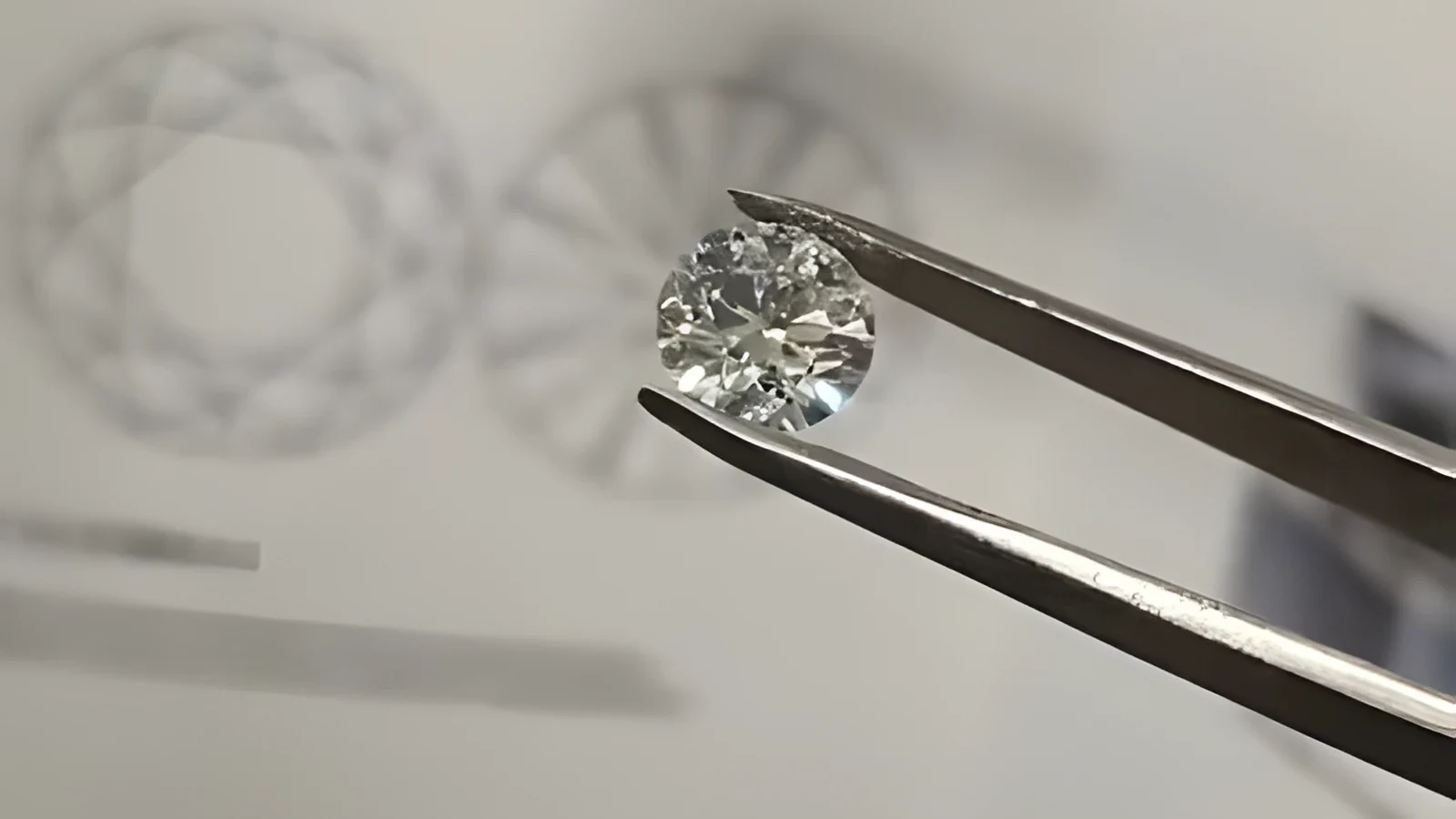
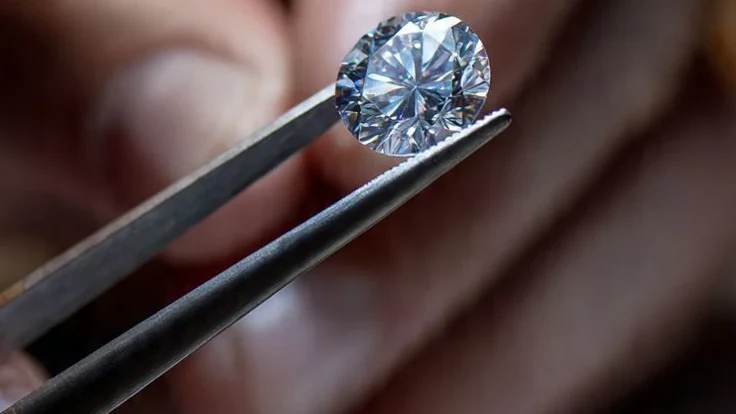
A natural and lab-grown diamond can look very similar when cut and polished.
Specialised gemological equipment can identify characteristics associated with their different growth environments and origins.
This is also why a proper grading report can be useful when buying a diamond.
Are Lab-Grown Diamonds Cheaper?
Lab-grown diamonds are often priced differently from natural diamonds, and the price gap can be significant.
However, prices change over time and vary based on the individual stone, size, quality, shape, supplier, market conditions and jewellery design.
So there is no useful single percentage that should be applied to every diamond.
If price is important, compare actual stones with similar characteristics rather than relying on a general rule.
Does Lab-Grown Mean Lower Quality?
No.
"Lab-grown" describes origin. It does not automatically describe whether a diamond has good or poor cut, colour or clarity.
A lab-grown diamond still needs to be evaluated as an individual stone.
The same is true of natural diamonds.
Which Has Better Sparkle?
There is no automatic winner.
The visual performance of a finished diamond depends heavily on its cut, proportions, symmetry, polish and other characteristics.
A well-cut lab-grown diamond can show strong brilliance and fire, just as a well-cut natural diamond can.
When comparing two stones, look at the actual diamonds rather than assuming one origin will always look better.
What About Durability?
Both are diamond material and have the characteristic hardness associated with diamond.
For jewellery worn regularly, durability also depends on the setting and construction of the piece.
A diamond may be hard, but the jewellery around it still needs to be designed and cared for properly.
What About Certification?
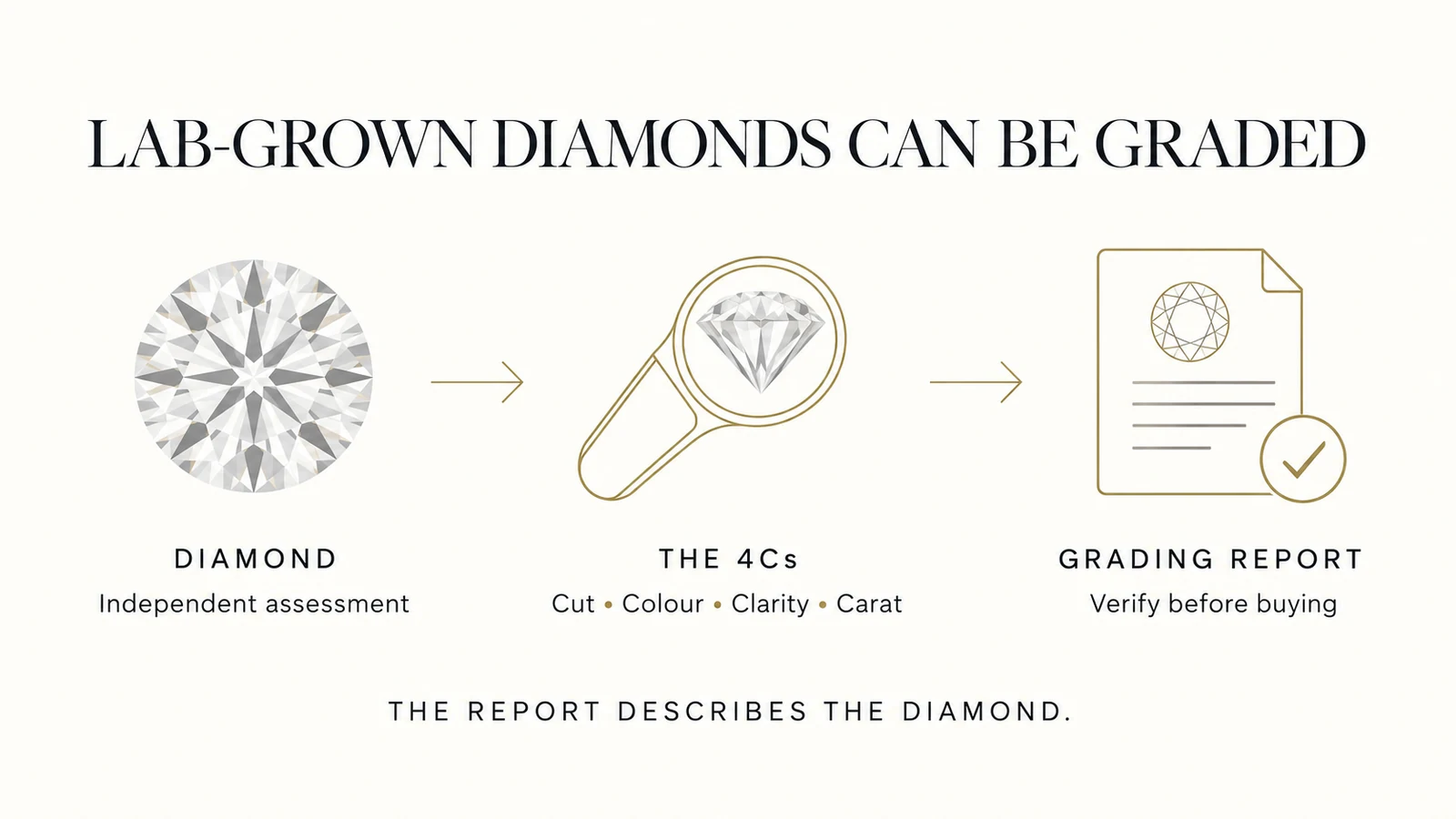
Both natural and lab-grown diamonds can be independently graded.
A report can provide information about the diamond's characteristics and identify whether the stone is natural or laboratory-grown.
When buying a diamond, it is worth checking what documentation is available and understanding what it covers.
Which Should You Choose?
There is no single right answer.
A natural diamond may appeal to someone who values natural geological origin.
A lab-grown diamond may appeal to someone who prefers a laboratory-grown origin or wants to approach their purchase differently.
You should also consider:
- Diamond quality
- Shape
- Design
- Budget
- Documentation
- Personal preference
The best choice is the one that makes sense to you.
Aureva’s Perspective
We do not see this as a choice where one side has to be "right". Natural and lab-grown diamonds have different origins, and people can care about that difference in different ways. Our job is to make the information clear enough that you can decide for yourself.
Frequently Asked Questions
Are lab-grown diamonds real diamonds?
Yes. Lab-grown diamonds are genuine diamonds.
Are natural diamonds better than lab-grown diamonds?
Not as a general rule. They have different origins, but both are diamond material. Individual quality and personal preference matter.
Are lab-grown diamonds worth less?
Their market pricing is different from natural diamonds and can change over time. It is better to compare individual stones and current prices than use a fixed rule.
Can you tell natural and lab-grown diamonds apart?
Specialised gemological testing can identify their origin. Visual inspection alone is not a reliable method.
Do lab-grown diamonds have the same hardness?
Yes. Lab-grown diamonds have the characteristic hardness associated with diamond.
Sources
About the Author
The Aureva Editorial Team
The Aureva editorial team writes the Journal. We work with lab-grown diamonds and 14KT gold every day, and we write about what we can verify, such as grading reports, growth methods, and what we see across our own orders.