What Are Lab-Grown Diamonds?
Same material, different origin. What that actually means, and why a simulant is a different thing altogether.
Quick Answer
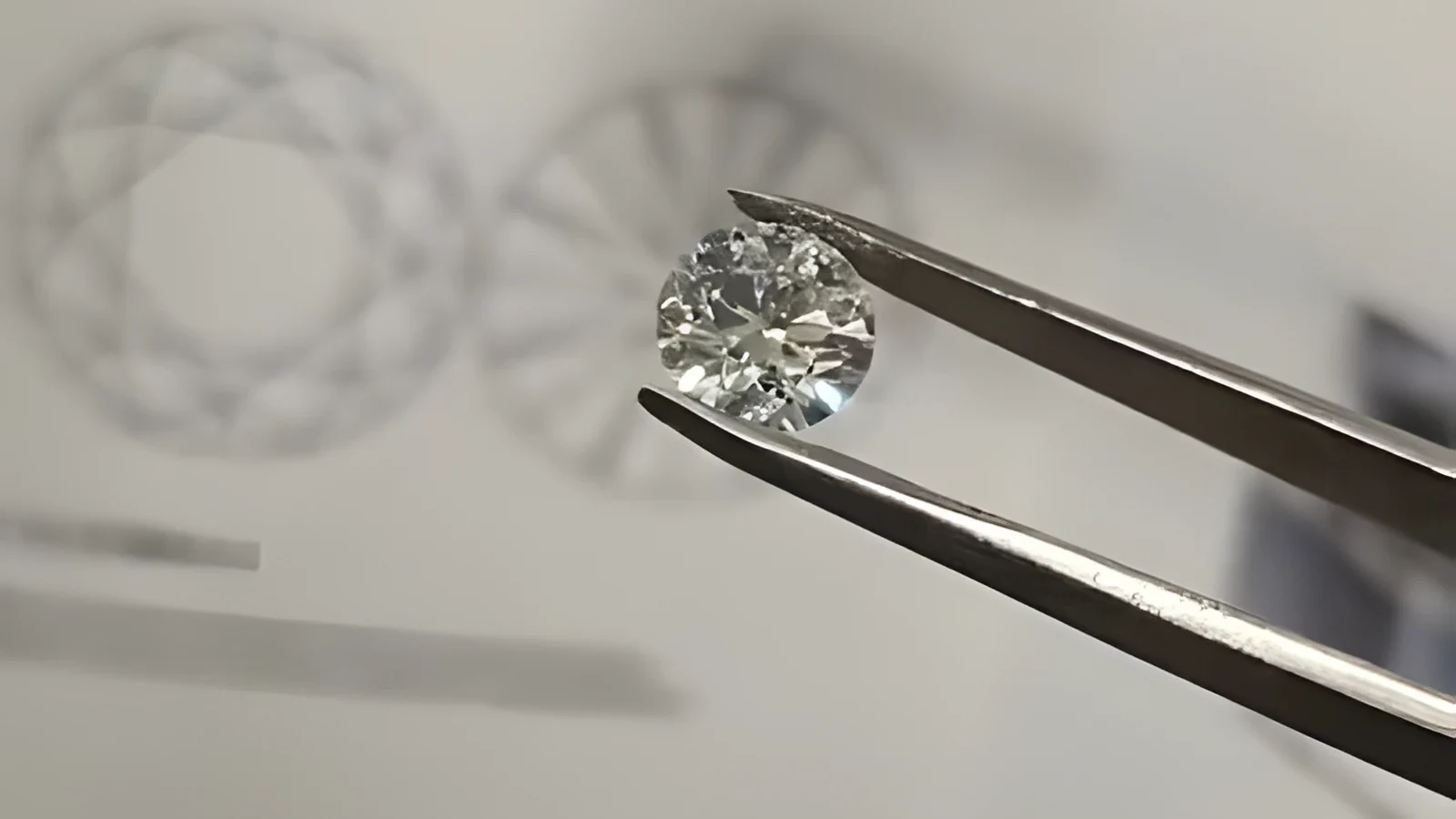
Lab-grown diamonds are real diamonds grown in controlled laboratory environments. They have essentially the same chemical composition, crystal structure, and physical and optical properties as natural diamonds. The main difference is their origin. Natural diamonds form through geological processes inside the Earth, while lab-grown diamonds are produced using methods such as CVD and HPHT.
Key Takeaways
- Lab-grown diamonds are diamonds, not diamond simulants.
- CVD and HPHT are the two main methods used to grow them.
- They can be cut into the same shapes used for natural diamond jewellery.
- Gemological laboratories can identify whether a diamond is natural or laboratory-grown.
- A grading report can document a diamond's characteristics and laboratory-grown origin.
What Is a Lab-Grown Diamond?
The easiest way to understand a lab-grown diamond is to separate what the stone is from where it came from.
Diamond is a crystalline form of carbon. Natural diamonds form through geological processes deep inside the Earth. Lab-grown diamonds are produced in controlled environments where technology is used to grow diamond crystals.
This is different from a diamond simulant.
Moissanite and cubic zirconia, for example, can look similar to diamond but are made from different materials. A lab-grown diamond is diamond material.
How Are Lab-Grown Diamonds Made?
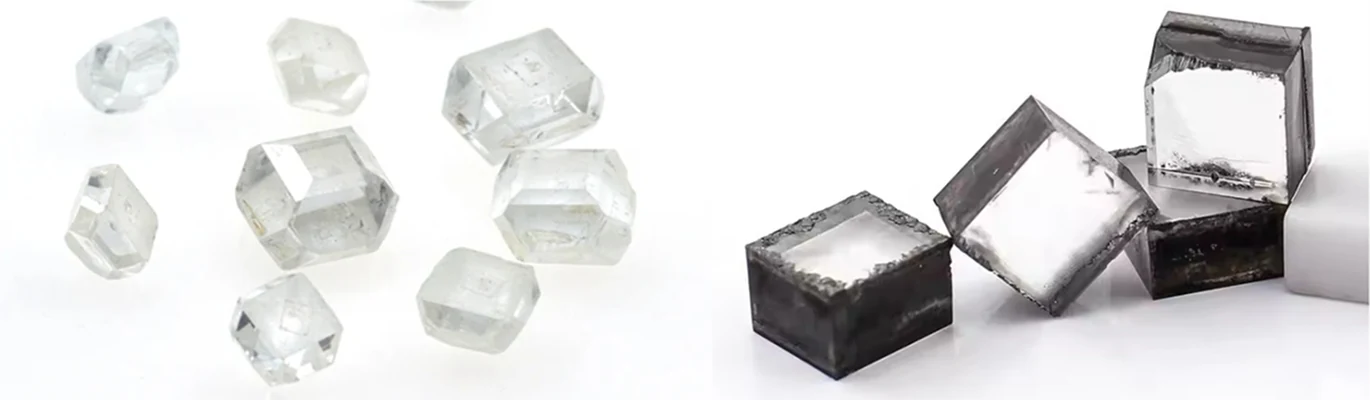
There are two main methods used to grow laboratory diamonds: CVD and HPHT.
HPHT
HPHT stands for High Pressure High Temperature.
The process uses a diamond seed, a carbon source, and very high pressure and temperature. Under these conditions, carbon crystallises onto the diamond seed and the diamond grows.
HPHT uses high pressure and high temperature to grow diamond, while CVD grows diamond from carbon-containing gases in a controlled chamber.
CVD
CVD stands for Chemical Vapor Deposition.
In this process, a small diamond seed is placed inside a chamber containing carbon-containing gases. Energy creates a plasma inside the chamber. Carbon then deposits onto the diamond seed and the crystal grows layer by layer.
CVD and HPHT use different technologies, but both can produce genuine diamond crystals.
Are Lab-Grown Diamonds the Same as Natural Diamonds?
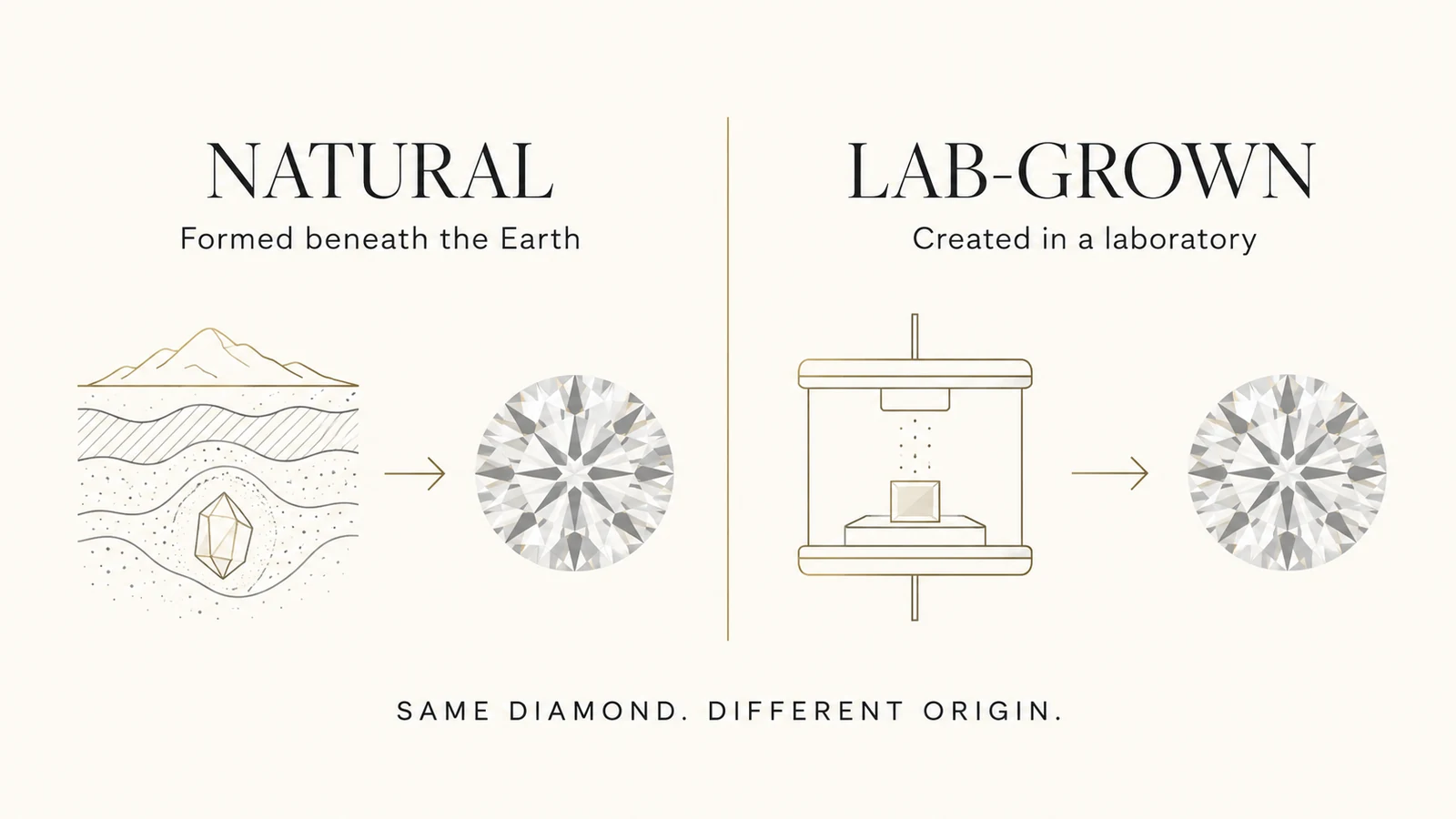
They have the same fundamental identity as diamond, but their origins are different.
A natural diamond forms through geological processes. A lab-grown diamond is grown using controlled technology.
There can also be differences in growth characteristics. Specialist laboratories can examine these characteristics to determine whether a diamond is natural or laboratory-grown.
So it is more accurate to say that natural and lab-grown diamonds are diamonds with different origins, rather than saying that one is a real diamond and the other is not.
What Shapes Can Lab-Grown Diamonds Have?
Lab-grown diamonds are available in many of the same shapes used in traditional diamond jewellery.
Common shapes include:
- Round brilliant
- Oval
- Cushion
- Emerald
- Radiant
- Pear
- Heart
- Princess
One useful distinction is between shape and cut.
Shape describes the outline of the diamond. Cut describes how the diamond has been fashioned and how its facets interact with light.
How Are Lab-Grown Diamonds Graded?
Lab-grown diamonds can be submitted to independent gemological laboratories for grading.
A laboratory-grown diamond report can include information such as:
- Carat weight
- Colour
- Clarity
- Cut, where applicable
- Measurements
- Laboratory-grown origin
- Growth method or treatment information where reported
For buyers, the useful part is not simply having a certificate. It is knowing what the report says about the particular diamond you are considering.
Lab-Grown Diamonds vs Diamond Simulants
This is one distinction worth remembering.
| Material | Is it diamond? | Origin or description |
|---|---|---|
| Natural diamond | Yes | Formed naturally in the Earth |
| Lab-grown diamond | Yes | Grown in a controlled laboratory environment |
| Moissanite | No | Diamond simulant |
| Cubic zirconia | No | Diamond simulant |
A gemstone can look like a diamond without actually being diamond. That is why the terms "lab-grown diamond" and "diamond simulant" should not be used interchangeably.
What Does a Lab-Grown Diamond Look Like?
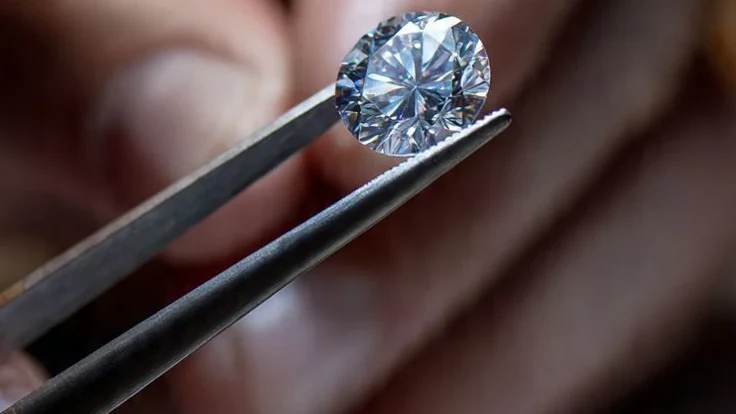
To the naked eye, a well-cut lab-grown diamond can look very similar to a natural diamond.
Its appearance is influenced by factors such as cut, proportions, colour, clarity, polish, symmetry, and lighting.
The fact that two diamonds can look similar does not mean their origins cannot be identified. Gemological laboratories use specialised equipment to determine origin.
Aureva’s Perspective
For us the interesting part is that lab-grown diamonds give people another way to approach diamond jewellery. The conversation does not have to stop at natural or lab-grown. It can be about the individual stone, its quality, its documentation and whether it is right for the person wearing it. Where we have taken a position: Aureva works in CVD-grown diamonds at EF colour and VVS clarity, and that is the standard we would point anyone towards when they are comparing lab-grown stones.
Frequently Asked Questions
Are lab-grown diamonds real diamonds?
Yes. Lab-grown diamonds are diamonds and have essentially the same chemical, physical, and optical properties as natural diamonds.
Are lab-grown diamonds fake?
No. Lab-grown diamonds are not diamond simulants. Moissanite and cubic zirconia are examples of simulants because they are different materials that resemble diamond.
How are lab-grown diamonds made?
The two main methods are CVD and HPHT. CVD grows diamond from carbon-containing gases in a controlled chamber, while HPHT uses high pressure and high temperature to grow diamond from a seed.
Can you tell if a diamond is lab-grown by looking at it?
Not reliably. Identifying origin can require specialised equipment and gemological expertise.
Are lab-grown diamonds certified?
They can be independently graded and documented by gemological laboratories. A report can identify laboratory-grown origin and provide information about the diamond's characteristics.
About the Author
The Aureva Editorial Team
The Aureva editorial team writes the Journal. We work with lab-grown diamonds and 14KT gold every day, and we write about what we can verify, such as grading reports, growth methods, and what we see across our own orders.