Diamond Clarity Explained: VS, VVS and More
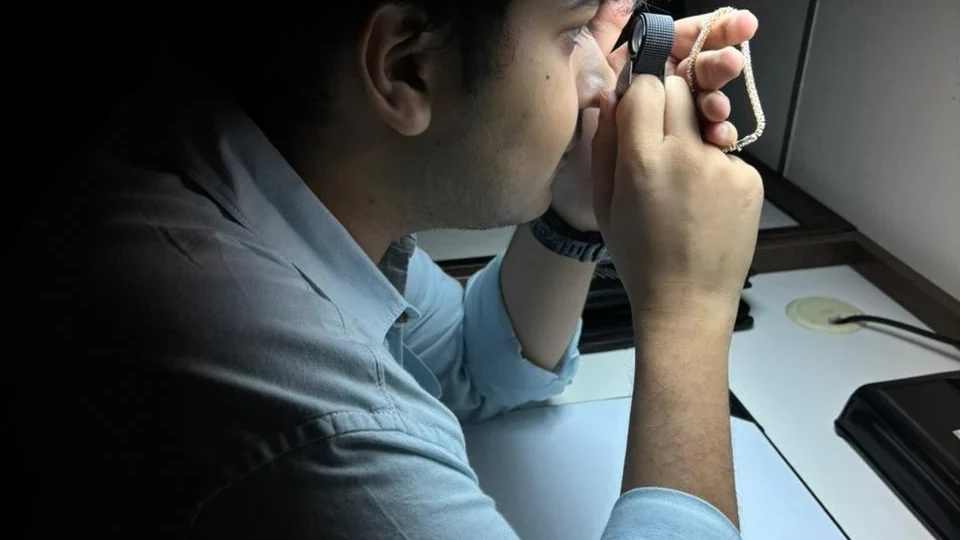
Clarity is graded under magnification; you will look at the stone with your eyes. Both facts matter — and on a lab-grown diamond you can have the top grades without choosing between them.
Quick Answer
Diamond clarity describes the internal and external characteristics found in a diamond. Internal characteristics are commonly called inclusions, while surface characteristics are called blemishes. Grading laboratories use clarity scales to describe these characteristics under specified examination conditions. VS and VVS are both relatively high clarity categories, but a higher clarity grade does not automatically mean a diamond will look better to the naked eye.
Key Takeaways
- Clarity refers to inclusions and blemishes.
- VS means Very Slightly Included.
- VVS means Very, Very Slightly Included.
- VVS is a higher clarity category than VS.
- Two diamonds with the same clarity grade can look different.
- A diamond can look clean to the eye below the top grades — but on a lab-grown stone, VVS costs little enough that it is worth having anyway.
What Is Diamond Clarity?
Diamonds form under conditions that can leave small internal or surface characteristics in the crystal.
These characteristics can affect the clarity grade.
They can include things such as tiny crystals, clouds, feathers or surface marks.
A clarity grade is a description of the diamond's characteristics under the conditions used for grading.
The Clarity Scale
A commonly used diamond clarity scale includes:
| Grade | Meaning |
|---|---|
| FL | Flawless |
| IF | Internally Flawless |
| VVS | Very, Very Slightly Included |
| VS | Very Slightly Included |
| SI | Slightly Included |
| I1, I2, I3 | Included |
The exact terminology and grading details should always be understood from the report issued for the diamond.
VS vs VVS
This is a common question.
VS means Very Slightly Included.
VVS means Very, Very Slightly Included.
VVS is a higher clarity category than VS.
The important part is what that difference means in real life.
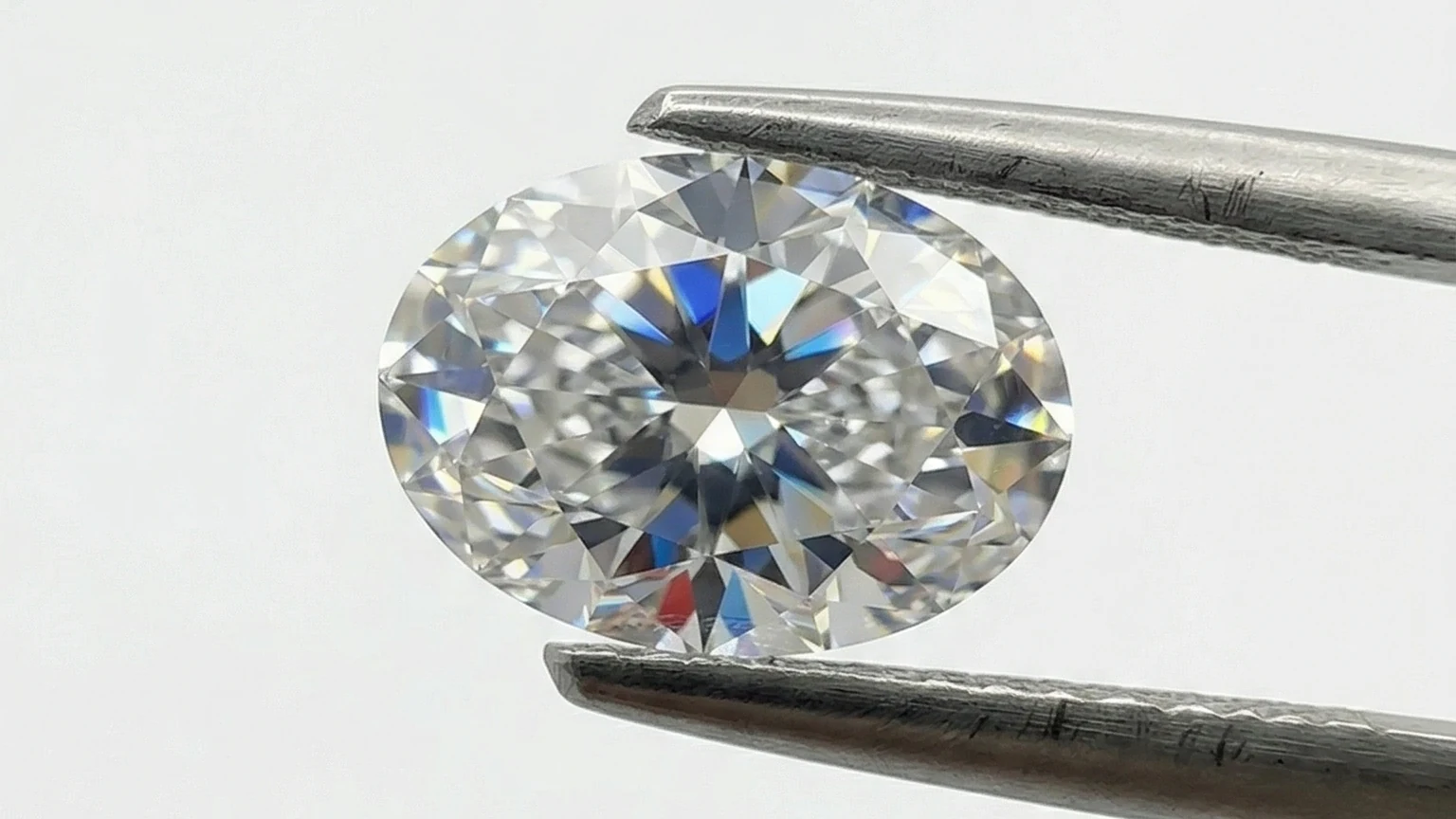
A VVS diamond can have characteristics that are extremely difficult for a trained grader to see under magnification.
A VS diamond can have more noticeable characteristics under magnification, but many VS diamonds can still look clean to the unaided eye.
Does Higher Clarity Mean More Sparkle?
Not necessarily.
Clarity can affect appearance when inclusions are large, numerous or positioned in ways that interfere with the stone.
But once a diamond is visually clean to the eye, moving to an even higher clarity grade may not create a noticeable difference in sparkle.
Cut usually has a much more direct effect on light performance.
What Does "Eye Clean" Mean?
"Eye clean" is a common jewellery term rather than a formal clarity grade.
It generally means that obvious inclusions are not visible to the naked eye from normal viewing distance.
The phrase can be subjective, so it is better to ask what it means for the specific diamond.
A diamond's size, shape and inclusion type can all affect how easy an inclusion is to see.
Does Shape Affect Clarity?
Yes.
Different diamond shapes can make inclusions easier or harder to notice.
Some shapes have broad, open facets that can make certain inclusions more visible. Others can disperse light differently.
This is another reason not to choose clarity from the grade alone.
Should You Buy VVS Instead of VS?
On a natural diamond, not automatically — the price gap is real and many buyers reasonably stop at VS.
On a lab-grown diamond that gap is much smaller, which changes the answer. If two stones look equally clean to you, VVS is still the one we would take, because the cost of never wondering is low.
Aureva builds to VVS for that reason.
The grade you can see is not the only thing you are buying; so is the grade you never have to think about again.
How Should You Compare Clarity?
When comparing diamonds:
- Check the clarity grade.
- Look at the actual stone.
- Understand the type and location of inclusions if that information is available.
- Consider the diamond's shape and size.
- Compare the overall stone rather than focusing on one grade.
Aureva’s Perspective
Clarity is where budgets usually get stretched, and our own standard does not move. Aureva sets VVS, and we would tell you to buy VVS in a lab-grown diamond. The argument for a lower grade is that you cannot see the difference, and often you cannot — but you will know it is there, and a stone you keep checking is a stone you stop enjoying. VVS costs proportionally less on a lab-grown diamond than on a natural one, which is exactly why we treat it as the floor rather than the upgrade.
Frequently Asked Questions
Is VVS better than VS?
Yes, VVS is a higher clarity category than VS. But whether the difference is worth paying for depends on the individual diamond and your priorities.
Is VS clarity good?
VS can be an excellent practical choice, especially when the diamond looks clean to the naked eye.
Is VVS worth the extra money?
Sometimes, but not always. Compare the actual diamonds and decide whether the visual difference matters to you.
What is the best clarity for a lab-grown diamond?
There is no single best grade. Look for a clarity level that gives you the appearance you want while making sense for your budget.
Can you see VS inclusions with the naked eye?
Some VS diamonds can appear eye clean, but visibility depends on the individual stone, its size, shape, inclusion type and position.
Sources
About the Author
The Aureva Editorial Team
The Aureva editorial team writes the Journal. We work with lab-grown diamonds and 14KT gold every day, and we write about what we can verify, such as grading reports, growth methods, and what we see across our own orders.