How to Choose Diamond Cut
A cut grade is useful, but it is not the whole story. Learn what to check when the report does not give you an overall cut grade.
Quick Answer
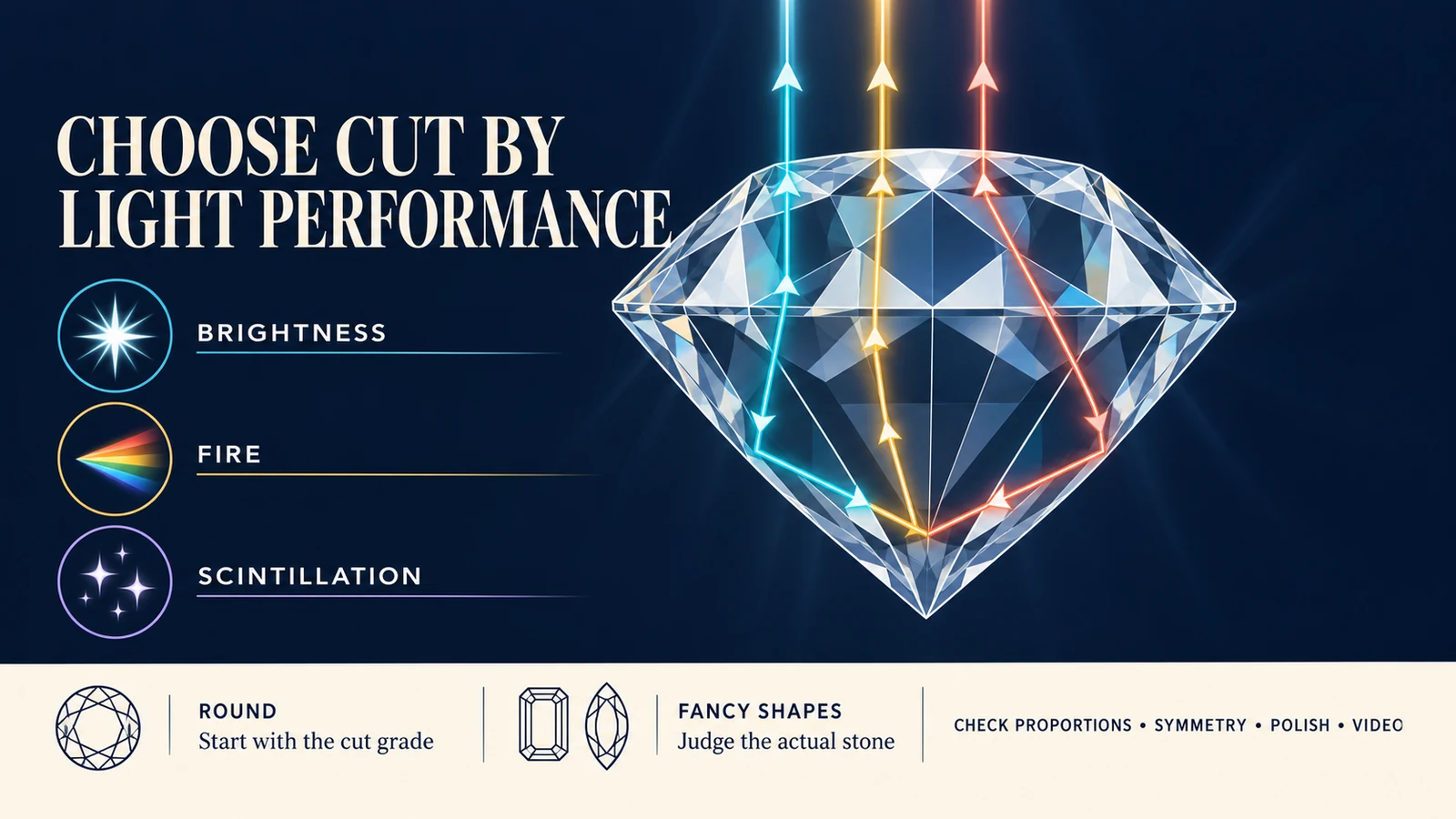
Choose diamond cut by looking at how the stone is proportioned and how it handles light. For round brilliant diamonds, a grading laboratory can provide an overall cut grade. Fancy shapes such as oval, cushion, emerald and radiant do not currently receive the same overall GIA cut grade, so you need to judge the individual stone using its proportions, symmetry, polish and visual performance.
Key Takeaways
- Cut affects brightness, fire and scintillation because it controls how the diamond interacts with light.
- GIA currently gives an overall cut grade only to round brilliant diamonds.
- Fancy shapes need individual evaluation because their proportions and facet patterns vary much more.
- A report's symmetry and polish grades are useful, but they do not replace seeing the diamond.
- Video can reveal dark areas, uneven light return and how the stone performs as it moves.
First, Separate Cut From Shape
A round, oval or emerald describes the shape.
Cut describes how the stone has been fashioned, including its proportions and facet arrangement.
GIA explains that cut affects how a diamond interacts with light and therefore contributes to brightness, fire and scintillation.
That is why two diamonds of the same shape can look completely different.
What to Check on a Round Diamond Report
For a round brilliant, an overall cut grade is a useful starting point.
Also look at:
- Polish
- Symmetry
- Measurements
- Proportions
- Table and depth information
- The actual appearance of the stone
GIA's cut system considers proportions, polish, symmetry and visual appearance.
Do not treat the word "Excellent" as the end of the decision. It is a range, not a promise that every Excellent diamond will look identical.
Fancy Shapes Are Different
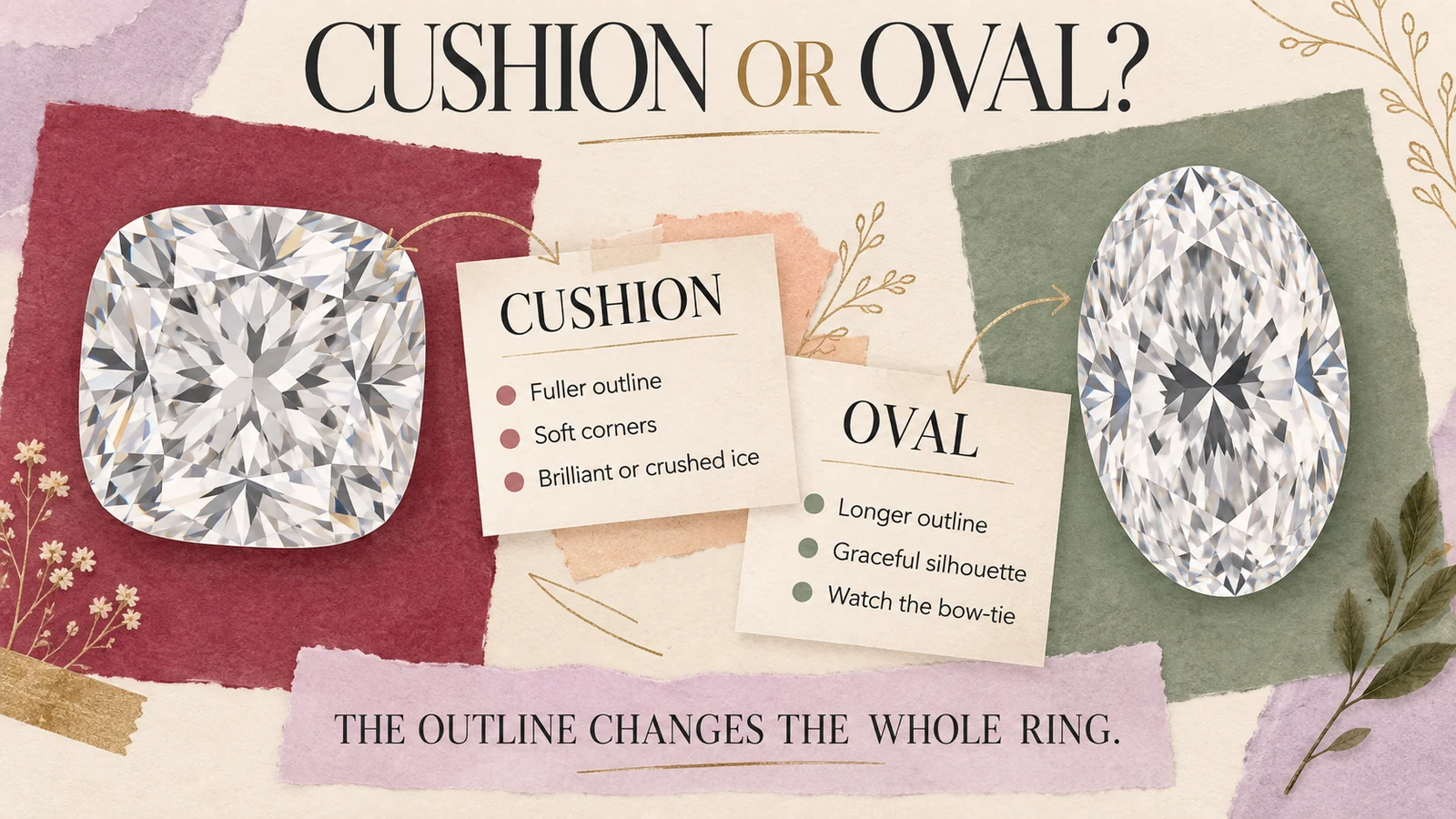
Oval, cushion, emerald, radiant, pear, marquise and princess diamonds do not currently receive an overall GIA cut grade in the same way round brilliants do.
That is not because they cannot be beautifully cut.
It is because their proportions and facet patterns vary too much for one standardised overall grade to describe them properly.
For fancy shapes, GIA recommends looking at factors such as length-to-width ratio, symmetry, smoothness of curves and how clearly the intended shape is expressed.
What Should You Look at in a Video?
A video is particularly useful when you cannot inspect the diamond in person.
Watch for:
Brightness: Does the stone stay lively as it moves?
Dark areas: Are there large areas that remain dark?
Pattern: Does the contrast look crisp and balanced?
Symmetry: Does the outline stay even as the stone rotates?
Face-up appearance: Does it still look attractive when the movement stops?
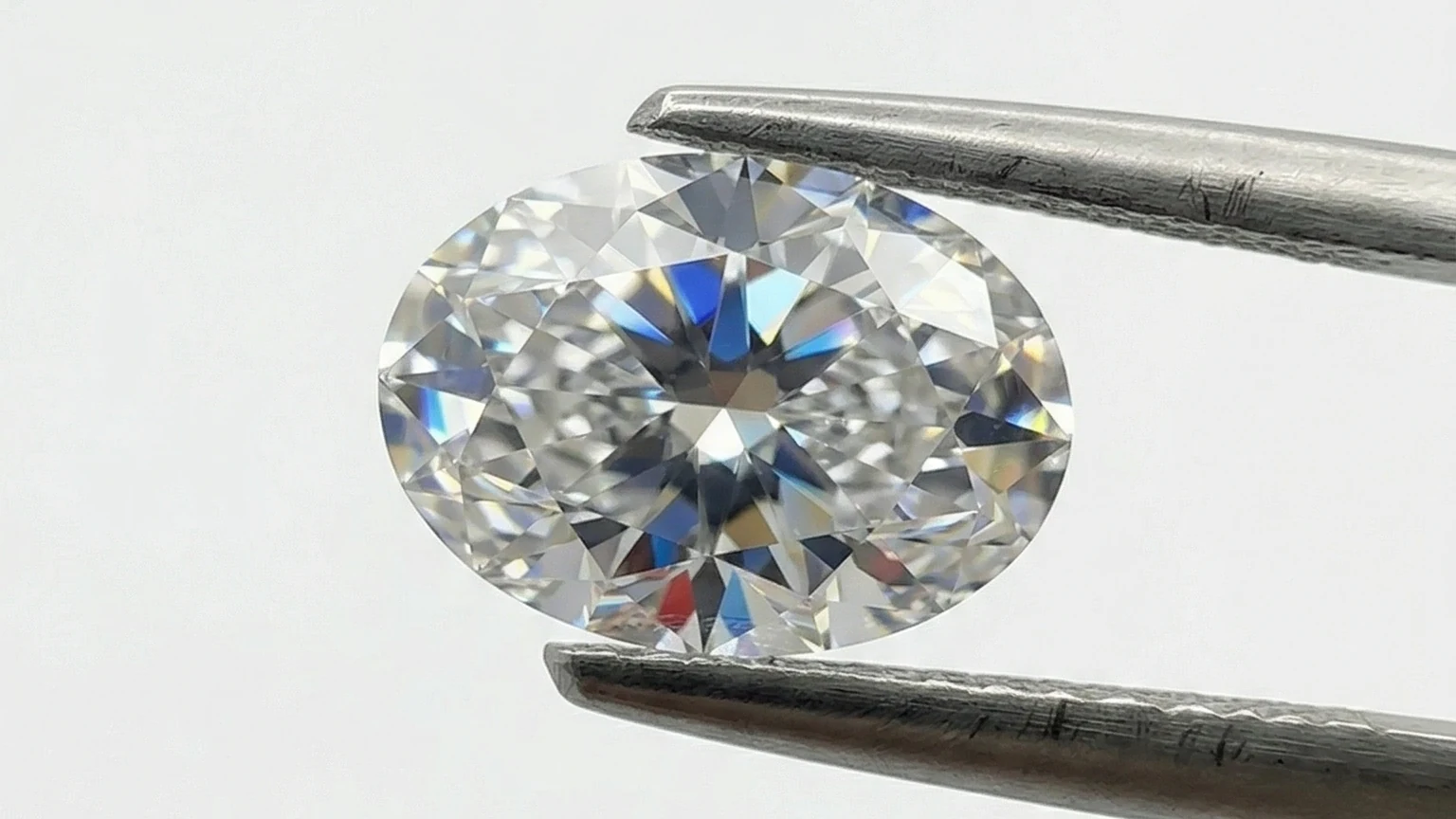
GIA research on fancy shapes found that prominent windowing and dark or dull areas can reduce visual appeal.
What Is Windowing?
Windowing is a pale or transparent-looking area where the diamond can appear to lose the depth and contrast you expect.
It is particularly relevant when evaluating fancy shapes.
If a video shows the stone looking washed out or see-through through the centre, ask for another view or more information.
What Is Bow-Tie?
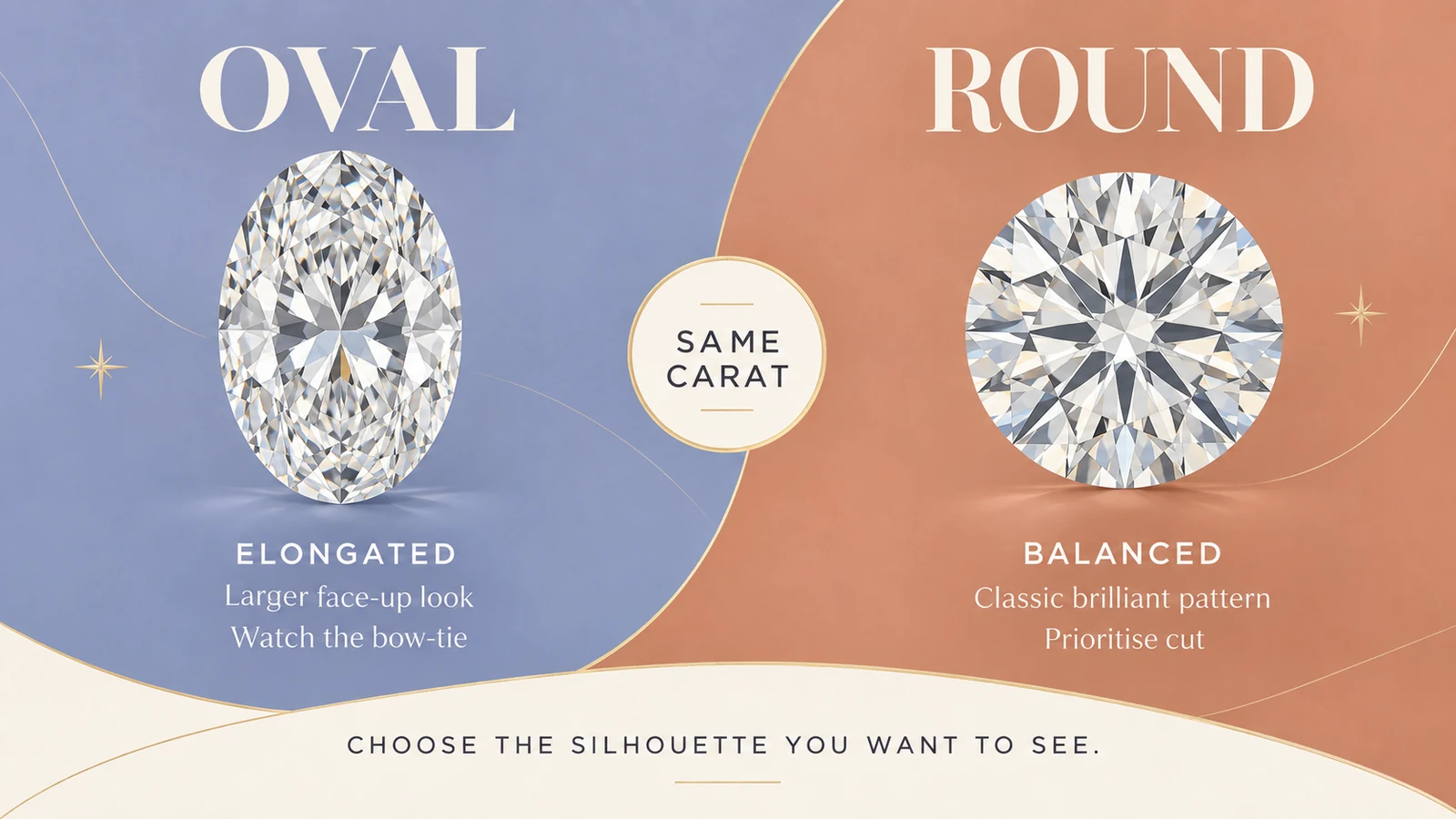
Bow-tie is a darker pattern that can appear across the middle of some elongated fancy shapes, particularly ovals.
A little pattern is not automatically a problem. GIA's research shows that preferences around bow-tie patterns vary, while prominent dark areas that reduce brightness are more consistently disliked.
The important thing is to judge the actual stone.
Do Not Judge Cut From One Number
A report gives you useful data.
Your eyes tell you what the data looks like when the diamond is actually cut.
That is why a practical buying process uses both.
If you are buying online, ask for:
- A clear video
- A face-up image
- Side measurements
- The grading report
- Any available magnified images
How We Would Choose
We would use the report to narrow the field, then use the actual stone to make the final decision.
If a fancy-shape diamond has no overall cut grade, that is not a reason to reject it. It is a reason to look more carefully.
Aureva’s Perspective
We would use the report to narrow the field, then use the actual stone to make the final decision. If a fancy-shape diamond has no overall cut grade, that is not a reason to reject it. It is a reason to look more carefully.
Frequently Asked Questions
Does every diamond have a cut grade?
No. GIA currently provides an overall cut grade for round brilliant diamonds, not for fancy shapes such as oval, cushion and emerald.
Is Excellent cut always the best?
It is a strong starting point for a round brilliant, but you should still look at the individual stone.
What should I look for in a fancy-shape diamond?
Start with shape, proportions, symmetry, polish and actual light performance. GIA highlights length-to-width ratio and symmetry as useful factors.
Can I judge diamond cut from a video?
A good video can help, especially when buying remotely. Look for brightness, dark areas, movement and the overall pattern of light.
Does cut matter for lab-grown diamonds?
Yes. Lab-grown diamonds can be cut well or poorly. Their laboratory-grown origin does not replace the need to evaluate the finished stone.
About the Author
The Aureva Editorial Team
The Aureva editorial team writes the Journal. We work with lab-grown diamonds and 14KT gold every day, and we write about what we can verify, such as grading reports, growth methods, and what we see across our own orders.